7/31/2026
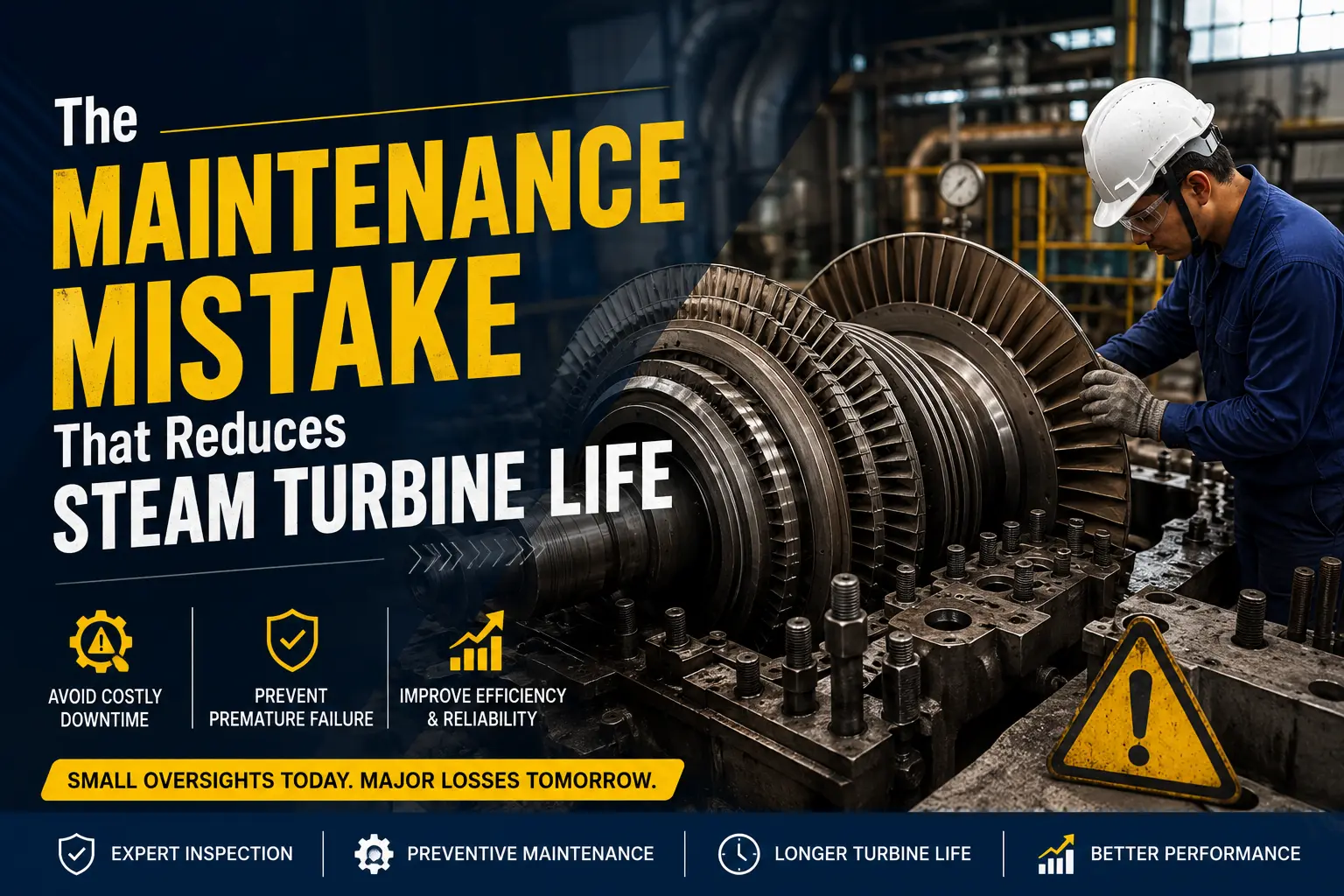
The Maintenance Mistake That Reduces Steam Turbine Life
Avoid maintenance mistakes that shorten steam turbine life. Explore preventive maintenance tips and expert solutions from NS TERBO.
Steam turbines are among the most reliable pieces of equipment used in power plants and industrial process facilities. With proper Steam Turbine Maintenance, many turbines can operate efficiently for decades. However, a single maintenance mistake can gradually reduce efficiency, increase operating costs, and significantly shorten the Steam Turbine Life.
Many plant operators focus on repairing components only after a failure occurs. Unfortunately, this reactive approach often leads to costly downtime, unexpected shutdowns, and expensive replacements. The key to long-term reliability is identifying maintenance issues before they become major failures.
In this article, we'll discuss the most common Steam Turbine Maintenance Mistakes, their impact on turbine performance, and the best practices that help maximize reliability and operational life.
Also Read: The Hidden Reason Why Steam Turbines Fail Before Their Expected Life
Why Steam Turbine Maintenance Matters
A steam turbine operates under high temperature, pressure, and rotational speed. Every component—from the rotor and blades to bearings and seals—must work in perfect synchronization.
Proper Steam Turbine Preventive Maintenance helps:
Extend equipment lifespan
Maintain turbine efficiency
Prevent unexpected breakdowns
Reduce maintenance costs
Improve plant availability
Increase operational safety
Ignoring routine maintenance may save time today but often results in significant losses later.
The Biggest Maintenance Mistake: Delaying Preventive Maintenance
The most damaging maintenance mistake is postponing scheduled inspections and preventive maintenance until noticeable performance issues appear.
Many facilities continue operating a turbine because it seems to be running normally. However, hidden wear continues to develop inside the machine.
This delayed approach can lead to:
Rotor imbalance
Blade erosion
Bearing wear
Steam leakage
Shaft misalignment
Vibration problems
Reduced turbine efficiency
By the time these issues become visible, the damage is often extensive and expensive to repair.
Common Steam Turbine Maintenance Mistakes
1. Ignoring Steam Turbine Inspection
Routine Steam Turbine Inspection is essential for identifying early signs of wear.
Without regular inspections, operators may miss:
Cracked blades
Worn labyrinth seals
Bearing damage
Loose fasteners
Rotor defects
Early detection dramatically reduces repair costs.
2. Poor Lubrication Management
The lubrication system protects bearings and rotating components.
Using contaminated oil or extending oil change intervals can cause:
Bearing overheating
Increased friction
Rotor instability
Premature component failure
Regular oil analysis should be part of every maintenance program.
3. Skipping Alignment Checks
Even a small shaft misalignment increases vibration and mechanical stress.
Proper alignment helps:
Reduce bearing wear
Protect couplings
Improve efficiency
Increase equipment life
Alignment should always be verified after installation or major maintenance work.
4. Ignoring Steam Leakage
Small steam leaks often appear harmless, but they gradually reduce turbine performance.
Steam leakage can result in:
Lower power output
Higher steam consumption
Reduced efficiency
Increased operating costs
Regular seal inspection prevents these hidden losses.
5. Delaying Steam Turbine Overhauling
Every turbine has recommended overhaul intervals based on operating hours and plant conditions.
Delaying Steam Turbine Overhauling may allow minor defects to develop into major failures requiring costly repairs.
A planned overhaul includes:
Rotor inspection
Blade examination
Bearing replacement (if required)
Seal inspection
Valve servicing
Performance testing
Warning Signs Your Steam Turbine Needs Immediate Attention
Watch for these indicators before serious damage occurs:
Increasing vibration levels
Rising bearing temperatures
Reduced power generation
Higher steam consumption
Oil contamination
Abnormal operating noise
Frequent trips or alarms
Declining overall efficiency
Ignoring these warning signs often shortens Steam Turbine Life.
Also Read: Micro Steam Turbine: Working, Benefits, Applications & Buying Guide
Steam Turbine Maintenance Checklist
A structured Steam Turbine Maintenance Checklist helps maintain consistent performance.
Daily
Monitor vibration
Check bearing temperatures
Inspect lubrication pressure
Record operating parameters
Weekly
Inspect steam leakage
Check oil quality
Verify control valve operation
Monthly
Review vibration trends
Inspect couplings
Examine piping supports
Annual Shutdown
Internal inspection
Rotor examination
Blade inspection
Seal replacement (if necessary)
Alignment verification
Performance testing
Following a documented checklist improves Steam Turbine Reliability and minimizes unexpected failures.
Best Practices for Steam Turbine Failure Prevention
Effective Steam Turbine Failure Prevention requires more than routine inspections. It involves a proactive maintenance strategy.
Recommended practices include:
Follow OEM maintenance schedules.
Use high-quality lubricants.
Perform regular vibration analysis.
Monitor steam quality.
Conduct periodic oil analysis.
Replace worn seals promptly.
Schedule preventive overhauls.
Maintain detailed maintenance records.
Train maintenance personnel regularly.
These practices reduce downtime while improving long-term performance.
How NS TERBO Supports Reliable Steam Turbine Maintenance
At NS TERBO, we understand that reliable maintenance is the foundation of long-lasting turbine performance. Our experienced engineering team provides comprehensive services designed to improve efficiency, extend equipment life, and minimize unplanned downtime.
Our services include:
Steam turbine inspection
Preventive maintenance programs
Steam turbine overhauling
Rotor refurbishment
Blade repair and replacement
Bearing inspection and servicing
Reverse engineering of obsolete components
Performance improvement upgrades
On-site troubleshooting and technical support
Whether you operate a captive power plant, sugar mill, paper mill, refinery, chemical plant, or process industry, NS TERBO delivers practical maintenance solutions tailored to your operational requirements.
Conclusion
The biggest threat to a steam turbine is often not a catastrophic failure—it is delayed or inadequate maintenance. Small issues such as steam leakage, poor lubrication, bearing wear, or minor misalignment can gradually reduce efficiency and significantly shorten Steam Turbine Life.
By adopting a proactive Steam Turbine Maintenance program, performing regular inspections, and following a preventive maintenance schedule, industries can improve reliability, reduce operating costs, and maximize the return on their turbine investment.
If your turbine is showing signs of reduced performance or is due for an inspection or overhaul, partnering with an experienced service provider like NS TERBO can help keep your equipment operating safely and efficiently for years to come.
FAQs
1. What is the most common steam turbine maintenance mistake?
The most common mistake is delaying preventive maintenance and inspections until a problem becomes noticeable, often leading to costly repairs and reduced turbine life.
2. How often should a steam turbine be inspected?
Routine operational checks should be performed daily, while detailed inspections should follow the manufacturer's recommendations based on operating hours and plant conditions.
3. Why is preventive maintenance important for steam turbines?
Preventive maintenance helps identify wear early, improves reliability, reduces downtime, extends equipment life, and lowers maintenance costs.
4. What are the signs that a steam turbine needs maintenance?
Common signs include excessive vibration, rising bearing temperatures, abnormal noise, reduced power output, steam leakage, increased steam consumption, and oil contamination.
5. How does steam leakage affect turbine performance?
Steam leakage reduces efficiency, decreases power output, increases steam consumption, and raises operating costs if not addressed promptly.