7/7/2026
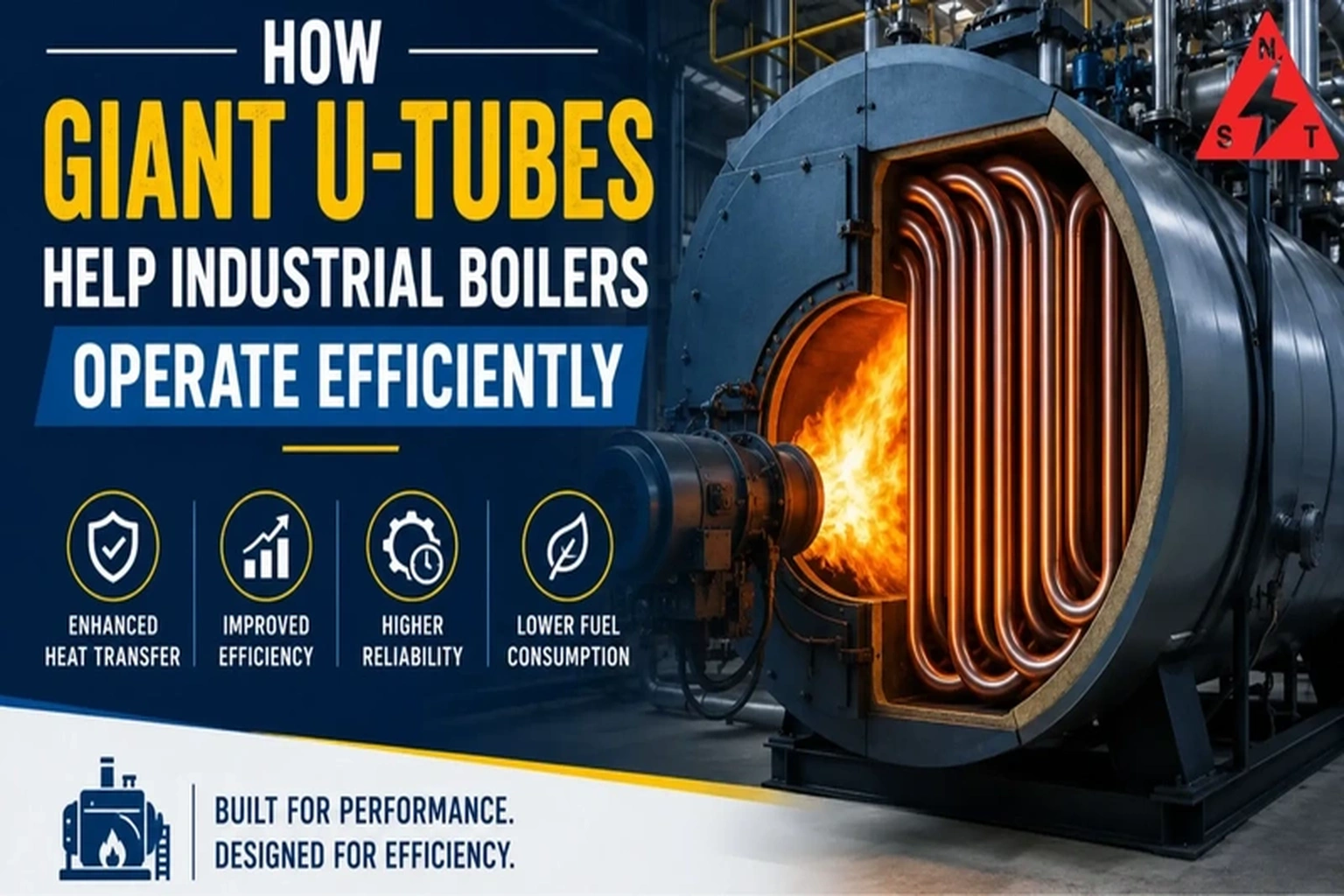
How Giant U-Tubes Help Industrial Boilers Operate Efficiently
Introduction
Industrial boilers are the backbone of power plants, refineries, chemical processing units, steel plants, and other heavy industries where continuous steam generation is essential. While a boiler consists of numerous components working together, one of the most critical elements responsible for efficient heat transfer is the Industrial Boiler U-Tube.
These specially bent tubes are designed to maximize heat exchange, withstand high temperatures and pressures, and improve the overall performance of industrial boilers. Whether installed in boilers, economizers, superheaters, or heat exchangers, giant U-tubes play a vital role in increasing thermal efficiency while reducing energy consumption.
In this article, we'll explore what giant U-tubes are, how they work, their benefits, applications, and why selecting high-quality boiler U-tubes is crucial for long-term operational reliability.
Also Read: Steam Turbine Rotor Restoration Through Precision Machining
What Are Industrial Boiler U-Tubes?
Industrial Boiler U-Tubes are seamless or welded metal tubes bent into a precise U-shape. Their design allows fluids to reverse direction within a compact space while maximizing the available heat transfer surface.
Manufactured from high-strength materials such as carbon steel, stainless steel, alloy steel, and duplex stainless steel, these tubes are engineered to operate under extreme temperatures, pressures, and corrosive environments.
Their unique design makes them ideal for:
Industrial boilers
Heat exchangers
Steam generators
Economizers
Condensers
Superheaters
Power plant equipment
How Giant U-Tubes Improve Boiler Efficiency
1. Enhanced Heat Transfer
The primary purpose of boiler heat transfer tubes is to efficiently transfer heat from combustion gases to water or steam.
The U-shaped design provides:
Greater heat transfer surface area
Improved thermal conductivity
Uniform heat distribution
Higher steam generation efficiency
This enables industrial boilers to produce more steam while consuming less fuel.
2. Compact Yet High Capacity Design
Instead of requiring long straight tubes, U-tubes provide double the effective tube length within a compact footprint.
Benefits include:
Smaller equipment size
Easier installation
Reduced material usage
Better utilization of boiler space
This compact configuration is particularly valuable in high-capacity industrial facilities.
3. Improved Thermal Expansion Handling
Industrial boilers experience continuous expansion and contraction due to temperature changes.
Giant U-tubes naturally absorb thermal expansion because of their curved geometry.
Advantages include:
Lower mechanical stress
Reduced tube cracking
Longer service life
Fewer maintenance requirements
4. Better Steam Generation
Efficient heat transfer directly affects steam production.
High-quality industrial boiler U-tubes:
Heat water faster
Maintain consistent steam pressure
Improve boiler responsiveness
Increase operational productivity
This is especially important in power generation and process industries where uninterrupted steam supply is critical.
5. Lower Energy Consumption
Poor-quality boiler tubes often lead to inefficient heat transfer and increased fuel usage.
Premium boiler U-tubes help:
Improve combustion efficiency
Reduce fuel costs
Lower carbon emissions
Increase plant profitability
Even small improvements in thermal efficiency can result in significant annual energy savings.
Also Read: Carbon Rings: The Silent Protectors of Turbine Reliability
Key Features of Giant Boiler U-Tubes
High-performance boiler U-tubes are manufactured with strict quality control to ensure reliability in demanding operating conditions.
Typical features include:
Precision U-bending
Seamless construction
Excellent dimensional accuracy
High corrosion resistance
Superior pressure resistance
Long operational life
Smooth internal surface for better fluid flow
Compliance with international quality standards
Materials Used for Boiler U-Tubes
Material selection depends on operating temperature, pressure, and the process environment.
Common materials include:
Carbon Steel
Stainless Steel 304
Stainless Steel 316
Alloy Steel
Duplex Stainless Steel
Super Duplex Stainless Steel
Nickel Alloys
Copper Nickel (special applications)
Each material offers specific advantages in strength, corrosion resistance, and thermal performance.
Applications of Industrial Boiler U-Tubes
Industrial boiler U-tubes are used across multiple industries where efficient heat transfer is essential.
Power Plants
Used in:
Steam boilers
Economizers
Superheaters
Heat recovery systems
Oil & Gas Industry
Applications include:
Process heating
Refinery boilers
Waste heat recovery units
Chemical Processing Plants
Suitable for:
High-temperature process heating
Chemical reactors
Heat exchangers
Steel & Metal Industries
Used for:
Steam generation
Furnace heating systems
Rolling mill operations
Food & Pharmaceutical Industry
Industrial boilers with precision U-tubes help maintain consistent steam quality for sterilization and process heating.
Advantages of High-Quality Boiler U-Tubes
Investing in premium industrial boiler components delivers long-term operational benefits.
Key advantages include:
Higher thermal efficiency
Increased steam output
Reduced fuel consumption
Lower maintenance costs
Improved equipment reliability
Longer boiler lifespan
Better resistance to corrosion
Excellent pressure handling
Lower downtime
Reduced operating costs
Factors to Consider When Choosing Industrial Boiler U-Tubes
Before purchasing boiler U-tubes, consider:
Material Grade
Choose materials suitable for your operating environment.
Tube Diameter
Select dimensions based on boiler design requirements.
Wall Thickness
Ensure adequate strength for pressure handling.
Bend Radius
Precision bending minimizes stress concentration and improves durability.
Manufacturing Standards
Look for products manufactured according to recognized international standards to ensure consistent quality and performance.
Quality Testing
Reliable manufacturers perform tests such as:
Hydrostatic testing
Eddy current testing
Ultrasonic inspection
Dimensional inspection
Hardness testing
Maintenance Tips for Boiler U-Tubes
Proper maintenance extends service life and ensures consistent boiler performance.
Recommended practices include:
Regular inspections
Cleaning scale deposits
Monitoring corrosion
Checking for leaks
Replacing damaged tubes promptly
Maintaining proper water treatment
Conducting periodic pressure testing
Preventive maintenance significantly reduces unexpected shutdowns.
Why Quality Matters
Industrial boilers operate continuously under demanding conditions. Low-quality tubes may suffer from corrosion, deformation, leaks, or premature failure, leading to expensive repairs and production downtime.
High-quality industrial boiler U-tubes deliver dependable performance, efficient heat transfer, and long-term reliability, helping industries reduce maintenance costs and improve operational efficiency.
Conclusion
Giant Industrial Boiler U-Tubes are among the most important industrial boiler components, enabling efficient heat transfer, consistent steam generation, and reliable operation in demanding industrial environments. Their precision-engineered design improves thermal efficiency, accommodates thermal expansion, reduces fuel consumption, and extends equipment life.
Whether used in power plants, chemical processing facilities, oil & gas operations, or manufacturing plants, investing in high-quality boiler U-tubes and boiler heat transfer tubes is a practical step toward improving productivity, reducing operating costs, and ensuring dependable long-term performance.